
In our fast-paced life, stress is something we all face. Deadlines, exams, work pressure, family responsibilities, and even social media can take a toll on mental health. People everywhere are searching for ways to reduce stress and improve emotional well-being. But did you know that Artificial Intelligence (AI) is now playing a role in mental health?
From personalized recommendations to AI chatbots, technology is offering innovative solutions to help people manage stress. In this blog, we will explore how AI may help in mental stress, its practical uses, benefits, and limitations.

What Is AI and How Can It Help With Stress?
Artificial Intelligence is a branch of computer science that enables machines to mimic human intelligence. It can analyze data, recognize patterns, predict outcomes, and even interact with humans in a seemingly intelligent way.
When it comes to stress, AI is not a replacement for human connection or professional therapy, but it can act as a support system. AI tools are being used to:
- Detect signs of stress or anxiety
- Provide mental health guidance
- Suggest relaxation techniques
- Track emotional patterns
- Offer digital companionship when human support is unavailable
The key idea is that AI makes mental wellness accessible, personalized, and convenient.
1. AI Chatbots as 24/7 Emotional Companions
One of the most popular uses of AI in mental health is chatbots. AI chatbots like Woebot, Wysa, and Replika are designed to communicate with users in a natural and empathetic way.
These chatbots can:
- Listen to your thoughts and feelings without judgment
- Ask questions to help you understand your emotions
- Suggest coping strategies based on Cognitive Behavioral Therapy (CBT)
- Track your mood over time
Why Chatbots Are Helpful
The biggest advantage of AI chatbots is availability. Unlike human therapists, AI is available 24/7. You can reach out at any time, even in the middle of the night, and get support.
For beginners, interacting with AI chatbots can feel less intimidating than talking to a professional at first. It helps people open up and reflect on their emotions.

2. Personalized Stress-Relief Recommendations
AI tools can provide personalized suggestions for managing stress. Apps like Calm, Headspace, and Fitbit use AI to analyze your mood, behavior, and sometimes physiological data like heart rate or sleep patterns.
Based on this analysis, they can recommend:
- Breathing exercises
- Meditation routines
- Mindfulness activities
- Daily reminders to take breaks or relax
For example, if your wearable device detects a higher heart rate than usual, it might suggest a 5-minute guided meditation to calm you down. This level of personalization helps people manage stress effectively.
3. AI-Generated Music and Relaxation Sounds
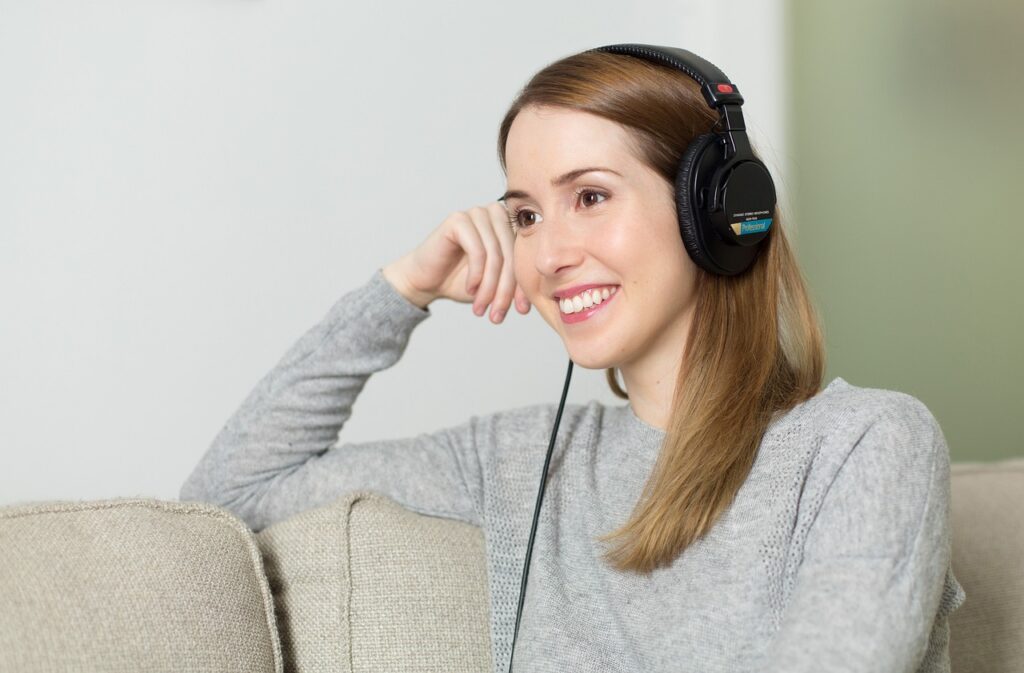
Music and sound therapy have long been used to reduce stress. Now, AI is transforming things in ways we never imagined. Platforms like Endel and Brain.fm create personalized soundscapes designed to improve focus, sleep, or relaxation.
AI-generated music is unique because it adapts to your mood, the time of day, and even your environment. It can:
- Reduce anxiety by creating calm atmospheres
- Improve concentration for work or study
- Help you sleep better with soothing sound patterns
Even beginners who have never tried meditation or music therapy can use these AI tools with ease.
4. Journaling and Reflection with AI Assistance
Journaling is a proven method to reduce stress and clarify thoughts. But many people struggle to journal consistently. AI-powered apps like Reflectly and Moodpath make journaling easier by:
- Asking guided questions
- Analyzing your entries for mood patterns
- Offering insights and tips for emotional growth
For example, if you often write about feeling overwhelmed, the app can suggest mindfulness exercises or daily gratitude prompts. This helps you track your emotions and identify triggers that cause stress.
5. AI Therapy Support for Professionals
While AI cannot replace licensed therapists, it can assist mental health professionals in their work. AI systems can:
- Analyze therapy session notes to identify emotional patterns
- Monitor patient progress between sessions
- Provide evidence-based suggestions for treatment
This support allows therapists to focus on human connection and empathy, while AI handles repetitive tasks and data analysis.

6. Mindfulness and Meditation Coaching with AI
Mindfulness and meditation are effective ways to reduce stress. AI-powered tools guide users through these practices in a personalized way.
For example:
- AI voice coaches adjust the pace of meditation based on your previous sessions
- Some apps track your progress and suggest new routines based on your stress levels
- AI can even suggest daily micro-meditations for quick relief during work breaks
This makes mindfulness accessible to beginners who may not know where to start.
7. AI for Stress Tracking and Health Monitoring
Wearables like Apple Watch, Fitbit, and Garmin use AI to monitor stress indicators such as:
- Heart rate variability
- Sleep patterns
- Physical activity levels
AI algorithms can detect early signs of stress and provide alerts or suggestions. For example, if your device notices irregular sleep patterns and elevated stress levels, it may recommend relaxation techniques or remind you to take a break.
8. AI in Online Mental Health Communities
Many online mental health communities now use AI to moderate discussions, detect distress signals, and provide timely resources. AI helps maintain safe, supportive spaces where users can:
- Share experiences
- Find peer support
- Access mental health resources quickly
This combination of AI and human moderation ensures users receive helpful guidance without exposing themselves to unsafe content.

9. Limitations and Ethical Considerations
While AI offers many benefits, it also has limitations:
- AI cannot feel emotions like humans, so it may miss subtle nuances
- Serious mental health issues require professional human intervention
- Privacy and data security are critical; your conversations and personal data must be handled safely
AI should be seen as a support tool, not a replacement for therapy or human connection.
10. Combining Human and AI Support
The most effective approach to managing mental stress is combining AI tools with human support. For example:
- Use AI chatbots for daily emotional check-ins
- Track your stress patterns using wearable AI
- Share insights with a trusted therapist or friend
This way, AI handles routine monitoring and guidance, while humans provide empathy and deep understanding.
11. Practical Tips for Beginners to Use AI for Stress Relief
If you are new to AI tools for mental wellness, here are some easy ways to get started:
- Try an AI chatbot: Start with apps like Woebot or Wysa to express your feelings.
- Use guided meditation apps: Download Calm or Headspace and follow AI-personalized routines.
- Track your health: Wear a smartwatch or fitness tracker with AI-based stress monitoring.
- Journal with AI: Reflectly or Moodpath can help you track moods and discover patterns.
- Listen to AI-generated music: Use Endel or Brain.fm for relaxation and focus.
Remember, the goal is not perfection — it’s consistent support for your mental well-being.
12. The Future of AI in Mental Health
The potential of AI in mental wellness is just beginning. Experts predict:
- More advanced chatbots that can detect emotions more accurately
- AI tools integrated into virtual reality for immersive relaxation experiences
- Better personalization through AI analysis of lifestyle, genetics, and behavior
- AI assisting in early detection of mental health disorders
While AI will never replace human compassion, it is making mental health support more accessible, affordable, and effective.
Conclusion: A Friend in Your Pocket
Artificial Intelligence is no longer just about technology — it’s about enhancing human life. For mental stress, AI can act as a friend, guide, and support system, offering personalized help whenever you need it.
From chatbots to AI music, wearable monitoring to guided meditation, technology is helping people manage emotions, reduce stress, and improve well-being.
However, the human touch is irreplaceable. The best approach is to use AI as a helpful companion while maintaining real-world connections with friends, family, and professionals.
By combining human empathy with AI support, we can create a future where mental wellness is within everyone’s reach.
FAQs
1. How can artificial intelligence help reduce daily stress?
AI tools can automate repetitive tasks, offer instant mental-wellness support, remind you to take breaks, and help you organize your day more effectively — all of which lower stress levels.
2. Are AI-based stress-management apps reliable?
Most well-designed apps use evidence-based relaxation techniques, mood tracking, and behavioral insights. They are reliable for daily stress relief but should not replace professional medical help when needed.
3. Can AI understand my emotions accurately?
AI cannot “feel” emotions, but it can analyze your tone, writing patterns, or behavior to estimate your emotional state and recommend stress-relief actions.
4. What AI tools are best for managing work stress?
AI task planners, AI assistants, smart scheduling apps, and focus-boosting tools are particularly effective for reducing workload pressure and improving productivity.
5. Is it safe to share personal stress-related data with AI apps?
Most reputable apps use encryption and privacy protections. Still, you should always review privacy policies before sharing sensitive information.
6. Can AI help with sleep-related stress?
Yes, AI sleep trackers, smart alarms, and relaxation bots can analyze your sleep patterns and offer personalized strategies to improve sleep quality.
7. Can AI help children or teens manage stress?
Yes, child-friendly AI mindfulness apps, storytelling bots, and emotional-wellness platforms can support kids — as long as they are monitored by adults.
8. How quickly can AI tools reduce stress?
For many users, AI-guided breathing exercises, mood check-ins, or focus reminders offer immediate relief. Long-term habits take time but become easier with consistent AI support.