
For more than a decade, mobile apps have shaped how we live, work, shop, learn and communicate. Every task—ordering food, checking the weather, paying bills, booking a cab, or editing a photo—required us to download a new app. We got used to screens full of colorful icons, constant notifications, and updates that demanded more storage than we had.
But a silent shift is happening.
The world is now entering a new era:
the era of AI Agents.
These agents are not simply smarter apps.
They are systems that think, decide, and act on your behalf—without you tapping buttons or jumping between screens. For many experts, this shift is as revolutionary as the early days of the smartphone.
So the real question is:
Will AI agents replace traditional apps?
And if yes, how soon will this transformation reach our daily lives?
Let’s explore the future, one that is already unfolding.
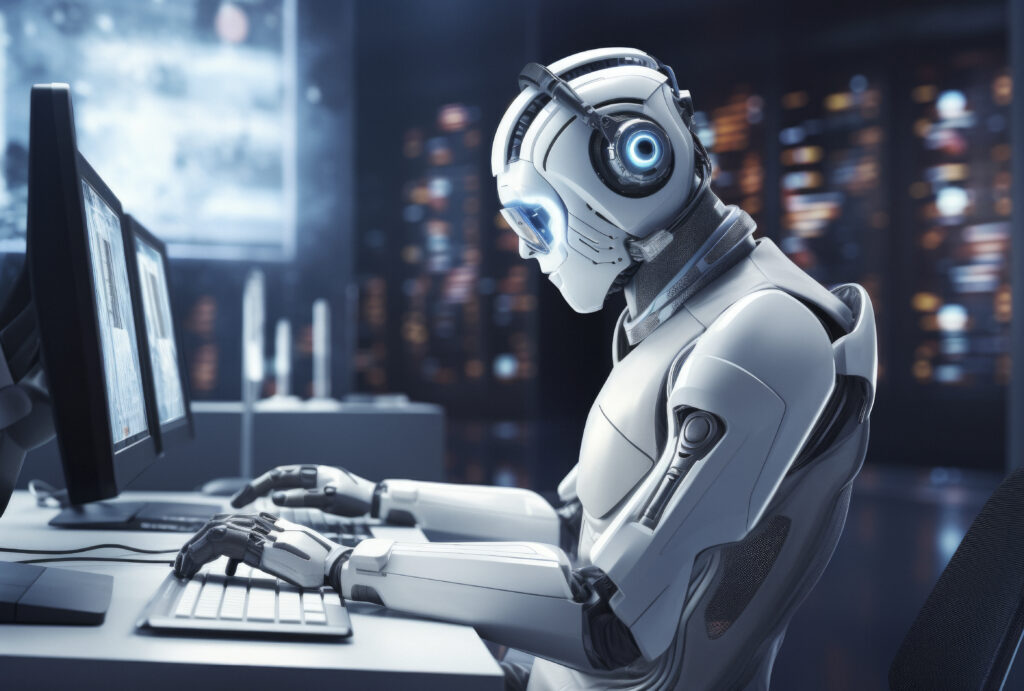
What Exactly Are AI Agents?
An AI agent is a digital assistant that can understand your goals, process information, make decisions, and complete tasks independently.
Unlike apps that wait for your command, an AI agent:
- Learns your preferences
- Predicts your needs
- Operates across multiple platforms
- Takes actions without manual steps
- Improves every time it interacts with you
Think of it like having:
- A personal assistant
- A project manager
- A researcher
- A scheduler
- A problem-solver
— all rolled into one system.
You don’t open ten apps to get ten things done.
You tell your agent once, and it handles everything.
Example:
“Plan my weekend trip to Chicago.”
An app would show flights, hotels, and maps.
An AI agent would:
- Compare flights
- Find the cheapest or fastest routes
- Check hotel ratings
- Track weather
- Plan activities
- Create an itinerary
- And book everything if you approve
This is not an app.
This is digital autonomy.
Want to explore real tools?
Check our practical guide on the Best Personal AI Agents for 2026, where we break down the top agents you can start using right now. – Best Personal AI Agents for 2026
Apps vs AI Agents: The Core Difference
Here’s the simplest way to understand the shift:
Apps = You do the steps.
AI Agents = They do the steps for you.
| Feature | Traditional Apps | AI Agents |
|---|---|---|
| Action style | Manual | Autonomous |
| Decision-making | User-driven | AI-driven |
| Personalization | Limited | Highly personalized |
| Number of apps needed | Many | One or few |
| Workflow | Step-by-step tapping | Goal-based automation |
| Context awareness | None | High |
| Learning ability | Fixed | Adaptive |
| User role | Operator | Supervisor |
Apps were built for touch screens.
AI agents are built for human intentions.
This is why experts say:
“AI agents will not be a new app…
They will replace the entire concept of apps.”

Why Are AI Agents Becoming So Powerful?
Multiple forces are fueling the rise of agents:
1. AI models are becoming smarter than ever
Large language models can:
- Understand natural conversations
- Predict decisions
- Learn from your patterns
- Execute complex instructions
- Combine multiple tasks into one flow
We no longer need to “program” apps.
We simply communicate with AI.
2. Agents break the app-switching burden
Right now, for a simple goal like “plan a birthday party,” you switch between:
- Pinterest for ideas
- Amazon for shopping
- Maps for directions
- WhatsApp for invitations
- Notes for planning
- Google for research
This is exhausting.
AI agents handle everything in a single conversation.
3. Agents understand context
Apps don’t know what you like.
Agents do.
They learn your:
- Style
- Schedule
- Routines
- Taste
- Habits
- Priorities
Over time, they get better—and eventually feel “human-like.”
4. Multi-step automation becomes normal
Apps only do one thing at a time.
Agents chain multiple actions:
“Find healthy dinner ideas, check ingredients I already have, create a grocery list, and order the missing items.”
This is the power of multi-step reasoning.
5. We want less screen time
People don’t want more apps.
They want less stress and less digital clutter.
AI agents reduce screen time by handling tasks in the background.

Why AI Agents Will Replace Many Apps (Sooner Than Expected)
1. Users don’t want 50 apps anymore
The average person uses only 8–10 apps daily but has 60–80 installed.
Agents reduce the need for:
- To-do apps
- Note apps
- Calendar apps
- File managers
- Music apps
- Shopping apps
- Email filters
- Browsers
- Fitness apps
- Budgeting apps
A single agent can unify all of this.
2. App stores will lose relevance
Instead of:
- Searching the Play Store
- Reading reviews
- Downloading
- Trying
- Uninstalling
You simply tell your AI agent:
“Get me a tool to edit my PDF.”
The agent does the selection for you.
Apps become “services,” not installs.
3. Agents offer zero-learning-curve experiences
Apps require:
- Setup
- Accounts
- Tutorials
- Permissions
Agents need no onboarding.
You talk → It understands → It acts.
4. Agents operate across platforms
Apps rarely talk to each other.
Agents can:
- Read emails
- Access files
- Check messages
- Control smart home
- Interact with websites
- Automate workflows
Even if the apps or websites were not originally built to talk.
5. The future OS will be agent-first
Tech giants like:
- Apple
- Meta
- Microsoft
- OpenAI
All are shifting towards agent ecosystems, not app ecosystems.
The OS of the future will be:
- Voice-first
- Intent-driven
- Seamless
- Predictive
Apps will exist, but users may never open them directly.
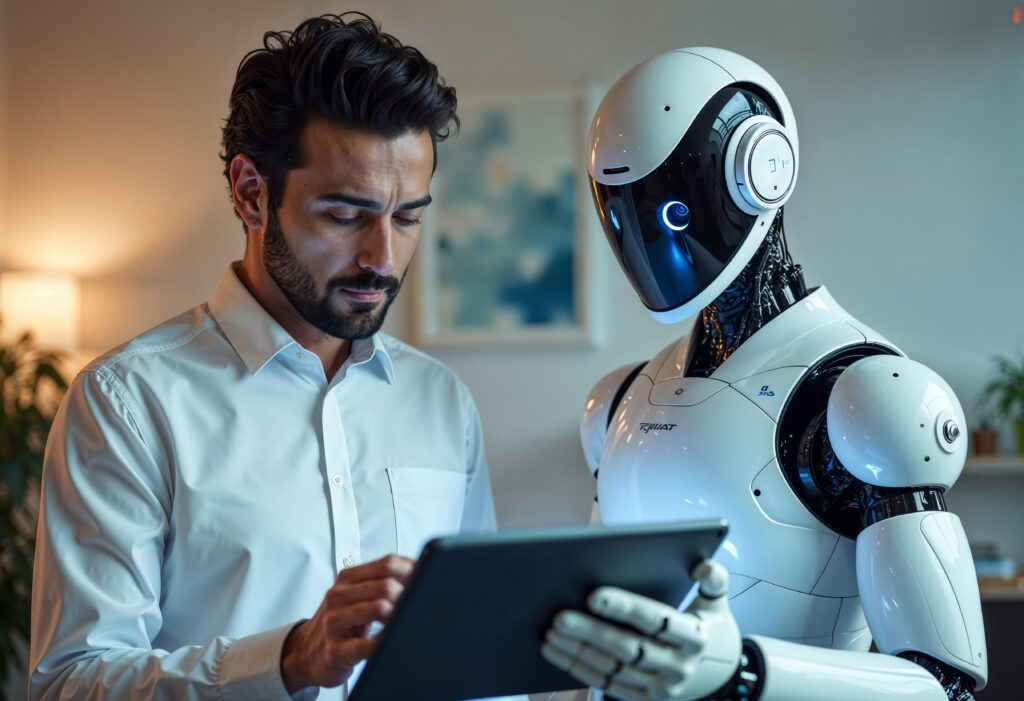
What Types of Apps Will Disappear First?
Based on current trends, these categories are most vulnerable:
1. Task managers & to-do lists
Agents can organize your day automatically.
2. Budgeting apps
Agents can track spending and categorize expenses without input.
3. Calendar & scheduling tools
Agents schedule, reschedule, remind, and optimize your time.
4. Travel apps
Agents will become travel planners + comparison engines + booking managers.
5. Shopping apps
Agents compare prices, apply coupons, and choose the best deals.
6. Fitness & health trackers
Wearables + AI agents = automatic insights.
7. Content creation tools
Agents can:
- Write
- Edit
- Design
- Summarize
- Repurpose
- Create videos
directly through conversation.
Apps That Will Survive Longer
Some apps will remain important, though they’ll be agent-controlled:
1. Banking apps (security reasons)
Users still prefer dedicated portals for safety.
2. High-complexity creative tools
Like Photoshop, Figma, and Premiere Pro
(but AI assistants inside them will dominate).
3. Games
Agents can’t replace entertainment.
4. Social platforms
Humans still enjoy scrolling, discovering, interacting.
How AI Agents Will Change Everyday Life (Real Examples)
Let’s imagine a normal day in 2026 with an AI agent.
Morning Routine
You don’t check five apps.
Your AI agent:
- Reviews your emails
- Summarizes overnight messages
- Optimizes your schedule
- Suggests the best commute route
- Orders breakfast if you’re running late
Work Tasks
You don’t open dozens of tools.
Your agent:
- Organizes meetings
- Writes emails
- Prepares presentations
- Summarizes documents
- Extracts insights from data
- Manages small tasks behind the scenes
Personal Life
You don’t manually plan or track things.
Your agent:
- Monitors health metrics
- Reminds you of anniversaries or birthdays
- Suggests gift ideas
- Books movie tickets
- Tracks expenses
- Compares bills
- Alerts you about important renewals
Family Management
AI agents can:
- Create meal plans
- Order groceries
- Monitor kids’ screen time
- Suggest outdoor activities
- Plan vacations
- Help with homework
Evening
You don’t search for content manually.
Your agent curates:
- Podcasts
- Articles
- YouTube videos
- Movies
- Music
based on your mood and taste.
This is not science fiction.
This is the direction every major tech company is moving toward.
For a deeper look at how AI agents can manage routines, tasks, and time more efficiently, you can read our complete guide on balancing your day with a personal AI agent. – Explore out blog – Balance Your Day Better with a Personal AI Agent
Agents Won’t Replace Apps Overnight — It Will Happen Gradually
The transition will happen in 3 phases:
Phase 1: Agents Assist Apps (Already happening)
Agents help you use apps better:
- Writing emails
- Organizing notes
- Creating documents
- Summarizing web pages
Phase 2: Agents Control Apps (2025–2027)
Agents will:
- Click
- Navigate
- Input data
- Manage workflows
You won’t interact with the apps directly.
Phase 3: Agents Replace Apps (2028–2032)
Traditional apps will feel redundant as agents become:
- faster
- cheaper
- more autonomous
- cross-platform
Apps become “background tools,” not user-facing icons.

Impact on Developers & Businesses
1. The app marketplace will change
Developers will build for agents, not app stores.
2. Interfaces will shrink
No more complex menus—agents handle complexity.
3. Companies will compete on intelligence, not design
The smartest agent wins, not the prettiest UI.
4. Subscription models will rise
Businesses will charge for agent-based services.
5. New roles will emerge
Agent trainers
AI workflow designers
Autonomous system managers
Conversational UX designers
What Should Individuals Prepare For?
1. Shift from “learning apps” to “learning AI”
Knowing how to instruct AI will matter more than using features.
2. Build agent-friendly workflows
Think in goals and outcomes.
3. Use fewer apps but more automation
Reduce digital clutter.
4. Teach your agent your preferences
The more it knows, the smarter it performs.
Will Agents Take Over Everything? Not exactly.
Agents will:
- simplify complex tasks
- reduce screen time
- automate repetitive work
- personalize experiences
- bring intelligence into daily routines
But they cannot replace:
- human intuition
- creativity
- emotional awareness
- personal relationships
- the joy of using certain apps (e.g., entertainment)
Agents will become powerful partners, not replacements for human thinking.
Final Thoughts: A New Digital Era Begins
The shift from apps to AI agents is not a small upgrade.
It’s a fundamental rethinking of how technology works.
The world is moving:
- from tapping → to telling
- from manual → to automated
- from isolated apps → to unified digital assistants
- from tasks → to outcomes
- from app stores → to AI ecosystems
This is the beginning of an era where:
Technology supports you the way a real human assistant would.
Quietly.
Intelligently.
Effortlessly.
Apps gave us convenience.
AI agents will give us freedom.
And that is the biggest digital transformation of our generation.
FAQs
1. What is the main difference between AI agents and apps?
Apps are built to perform specific functions when a user taps or interacts.
AI agents can work independently, make decisions, and complete tasks without needing constant user input.
2. Will AI agents replace apps in the future?
AI agents won’t immediately replace all apps, but they will reduce manual app usage.
Most everyday tasks—searching, planning, booking, organizing—will shift from app-based actions to autonomous AI-driven workflows.
3. Why are AI agents considered the next technology era?
AI agents combine intelligence, memory, autonomy, and reasoning.
They can understand goals, break them into steps, and execute them—similar to a digital employee.
4. How will AI agents change the way we use our phones?
Instead of opening multiple apps, users will simply tell their AI agent what they want.
The agent will handle everything in the background—no taps, no screens, no manual steps.
5. Are AI agents safe to use?
Yes, when designed responsibly.
Most modern AI platforms are building strong safety, permission controls, and transparency layers so users can monitor actions taken by agents.
6. What new opportunities will AI agents create?
AI agents will create new careers such as AI workflow designer, automation architect, AI operator, and agent-based business creator.
7. Should businesses prepare for AI agents?
Absolutely.
Companies that shift early to autonomous agent workflows will reduce costs, increase speed, and stay ahead of competitors.
At Aieversoft, we simplify the future of AI for everyone. Explore smarter insights, practical guides, and next-gen innovation—designed to help you stay ahead effortlessly.