
For more than a decade, two giants—iOS and Android—have defined how billions of people interact with smartphones. These operating systems shaped the way we use apps, manage settings, communicate, take photos, work, learn, and even think. They are the invisible skeletons that support our digital lives.
But a new shift is coming.
AI is no longer just an assistant or a background feature. It’s not just Siri, Google Assistant, or Alexa answering commands. AI is rapidly evolving from a tool into a brain—a system capable of processing, predicting, understanding, generating, guiding, and even deciding.
The question people are starting to ask is bold:
What if the future phone doesn’t run on iOS or Android… but on pure AI?
Not an app-based system.
Not a screen filled with icons.
Not menus and settings.
A future where your AI assistant is the operating system.
Not replacing Apple or Google…
but transforming what “an OS” means altogether.
This is the future we explore today.
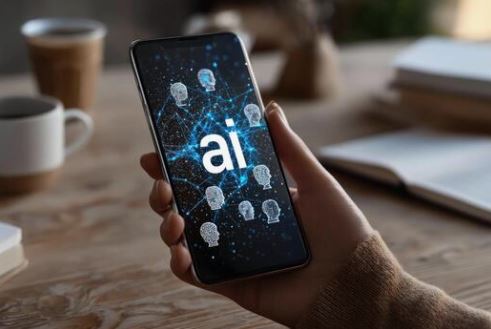
1. The OS We Know Today Was Built for Apps — Not Intelligence
The modern operating systems were designed in the early smartphone era:
- iOS launched in 2007
- Android in 2008
That means their structure is built around:
- apps
- icons
- menus
- file systems
- hardware controls
But this world is already changing.
AI models like GPT-5, Gemini, Claude, Llama, and Perplexity are no longer “features.” They are advanced decision engines capable of:
- real-time reasoning
- understanding context
- proactive planning
- multi-step task execution
- learning from user behavior
- cross-app coordination
Right now, AI is layered on top of the OS.
But what happens when AI becomes powerful enough to replace the OS layer itself?
2. The New AI Layer: The Invisible Operating System
Tech experts believe we are entering a phase where AI becomes the primary interface, and the OS becomes invisible.
In this future:
- You don’t open apps.
- You don’t swipe through menus.
- You don’t adjust settings.
- You don’t search manually.
You simply speak, type, or think (yes—neural interfaces are coming).
And the AI handles everything.
Example: Today vs. Future
Today:
You want to book a flight.
You open Chrome → Search → Airline website → Compare → Check options → Pay.
Future AI OS:
You say:
“Find me the best flight to New York next Friday under $400.”
Your AI:
- compares flights
- checks hidden offers
- adjusts based on your preferences
- books it instantly
- adds the itinerary to your calendar
- pre-checks you automatically
All without opening a single app.
This is not science fiction.
This is AI replacing the OS as the center of the phone.
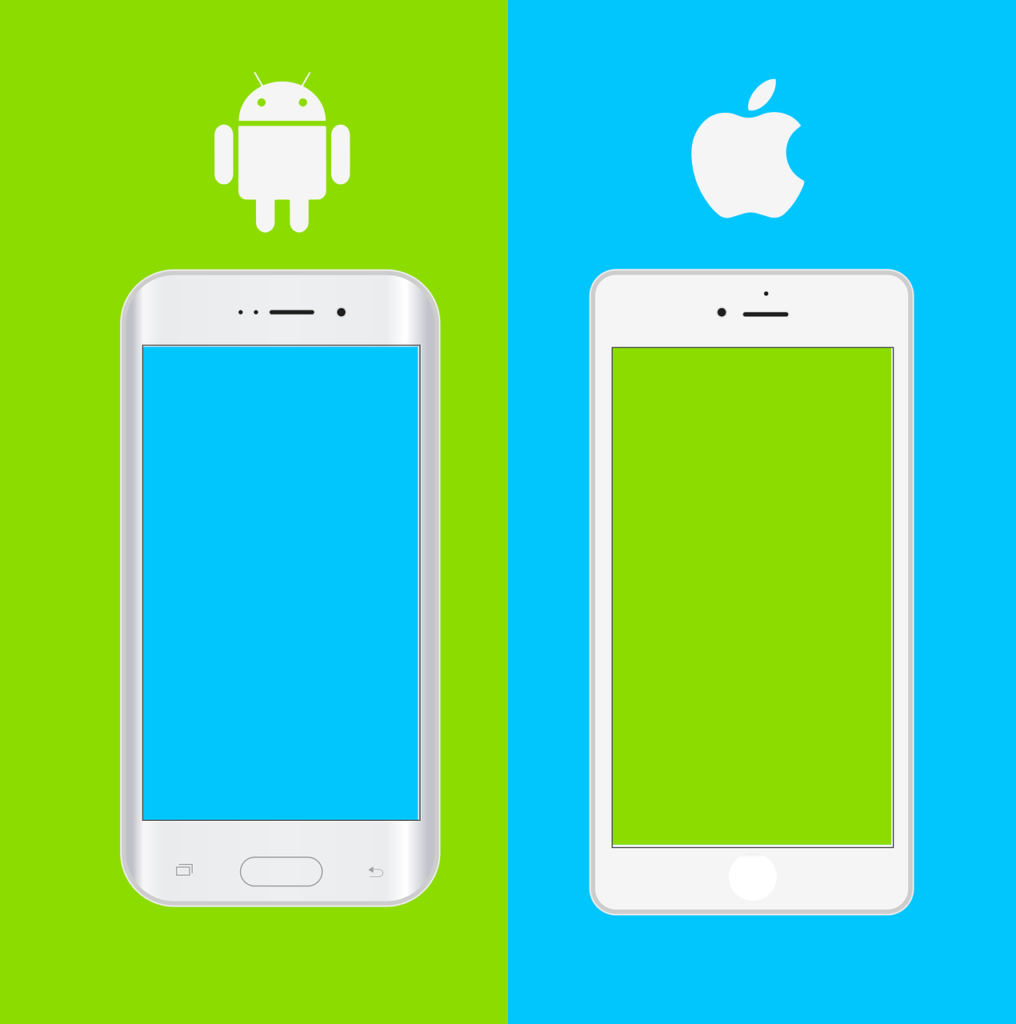
3. The Phone of the Future Will Look Very Different
If AI becomes the OS, the entire phone experience changes.
No more app icons.
Why open WhatsApp if your AI can:
- message anyone
- summarize unread chats
- reply automatically
- filter spam
- suggest responses
No more settings menus.
Why adjust anything manually if your AI:
- optimizes battery
- adjusts brightness
- manages notifications
- cleans storage
- blocks harmful content
- enhances security
No more search bar.
Instead:
“Find me the best gym near me with monthly plans under $30.”
Instant answer.
Instant booking.
Instant reminders.
The phone becomes:
- an assistant
- a planner
- a manager
- a filter
- a protector
- a companion
Not just a touch screen device.
4. Why iOS and Android May Evolve — Not Disappear
Let’s be clear:
This blog does not claim:
❌ Apple will stop iOS
❌ Google will stop Android
Both companies are extremely strong and dominant.
What WILL happen is:
🔹 iOS and Android will shift from “app-based OS”
to
🔹 “AI-first experience built on top of the OS.”
Apple is already doing this:
- Apple Intelligence
- On-device AI
- Personal reasoning models
- AI-enhanced Siri 2.0
Google too:
- Gemini OS-level integration
- Assistant with Bard
- Predictions & automation
- AI-driven system features
The underlying OS (iOS/Android) will continue to handle:
- hardware
- security
- storage
- performance
- system stability
But the interface we interact with daily may become 100% AI-driven.
So it’s not “Goodbye iOS & Android” in terms of disappearance.
It’s “Goodbye to how we use iOS & Android today.”
5. AI OS: What It Could Actually Do
Here’s what a true AI operating system could handle.
1. Full Task Execution
You say:
“Plan my weekend trip.”
AI:
- finds places
- checks weather
- suggests clothes
- books ride
- plans schedule
- creates reminders
- handles navigation
2. Multi-Device Syncing
Your AI OS works across:
- phone
- laptop
- smartwatch
- smart home
- car
- AR glasses
- appliances
All synced automatically.
3. Personalized Life Engine
Your AI:
- learns your schedule
- fixes your routine
- improves your productivity
- monitors mental health
- boosts efficiency
- prevents burnout
- suggests sleep improvements
4. Live Real-Time Reasoning
AI can:
- break down tasks
- plan actions
- predict risks
- optimize choices
5. Full Privacy Layer
On-device AI keeps:
- photos private
- messages secure
- tasks encrypted
No cloud needed.
6. Why AI Is the Biggest Threat to the Traditional App Store
When AI handles everything:
- People won’t open apps.
- People won’t install apps.
- People won’t browse app stores.
They’ll simply ask the AI to do tasks.
This changes:
- business models
- developer economy
- software design
Apps may still exist…
but the AI will use the apps on your behalf, not you.
Imagine AI that:
- edits your photos
- orders groceries
- writes emails
- pays bills
- tracks health
- prepares tax reports
All without ever launching the apps manually.
This is game-changing.

7. The Future: A Phone That Thinks Before You Do
The next stage of AI evolution is anticipatory intelligence.
Your phone will:
- remind you to drink water
- detect early illness signs
- reorder essentials
- recommend workouts
- track spending
- warn you about scams
- block suspicious activity
- adjust your schedule
- improve your routines
The OS of the future isn’t passive.
It’s proactive.
It acts before you realize you need something.
This is the shift from:
Tool → Partner → Intelligence Layer
8. Will Apple or Google Lose Control?
No.
Both companies are already adapting.
They know the future OS is:
- AI-first
- voice-first
- intention-first
- context-aware
- predictive
Apple, Google, Samsung, Microsoft — all are building AI ecosystems.
The companies that adopt AI fastest will shape the next digital decade.

9. So… Will We Really Say Goodbye to iOS & Android?
Here’s the accurate future prediction:
❌ We won’t stop using iOS or Android.
✔ We will stop seeing them.
Just like:
- you don’t see the engine in your car
- you don’t see the motherboard in your laptop
- you don’t see the backend of a website
The OS will move into the background.
AI becomes:
- your homepage
- your interface
- your screen
- your assistant
- your new “operating system layer”
So it’s not goodbye to iOS and Android…
It’s goodbye to the old way of using them.
10. The New Era: AI as the Operating System of Your Life
The smartphone revolution is shifting into something bigger:
*Not apps.
Not screens.
Not icons.
But intelligence.**
Your future OS is not a system.
It’s not software.
It’s not code.
It’s a thinking companion.
This is the next frontier.
FAQs
1. Will AI really replace iOS or Android?
Not in the sense of removing them. iOS and Android will still exist as core systems, but AI will become the main interface we use, sitting above the traditional OS.
2. Is an AI operating system safe?
Future AI systems will likely operate with strong encryption, on-device processing, and advanced privacy layers. Most tasks may run locally without cloud storage.
3. Will apps disappear?
Apps may still exist, but we will interact with them less. AI will perform tasks through apps automatically, reducing the need for icons and manual navigation.
4. Could AI make smartphones fully hands-free?
Yes. Voice, gestures, predictive behavior, and even neural input will allow phones to function with minimal manual input.
5. Will people lose control over their devices?
No. AI enhances convenience, but users will still have override controls, privacy settings, and manual options.
6. Does this future depend on AGI?
Not necessarily. Even today’s advanced AI models can manage multi-step tasks, making AI-first operating systems possible long before AGI.
7. When will AI become the primary OS?
Experts predict major changes between 2026–2032, with AI slowly replacing traditional interfaces in phases.
The future is not about “Goodbye iOS & Android.”
It’s about:
Goodbye to how we used phones for the last 15 years.
We are entering an era where:
- AI thinks for us
- AI handles tasks
- AI becomes our guide
- AI replaces daily friction
- AI reshapes the meaning of “operating system”
Your future phone won’t just respond to commands.
It will understand intentions.
Not a device.
Not an OS.
But a personal intelligence working beside you.
At Aieversoft, we believe the next decade belongs to intelligent experiences, not traditional operating systems. The world is shifting from tap-based interactions to AI-first living, where technology understands you, supports you, and works with you seamlessly—across every moment of your life.
✨ Build tools that help people navigate the future with clarity, confidence, and creativity.
Whether it’s personal productivity, business growth, smart automation, or daily life enhancement, Aieversoft is committed to creating content and solutions that prepare you for the world ahead—one where AI doesn’t just assist, but truly empowers.
The future of technology won’t be defined by screens, apps, or menus.
It will be defined by intelligence.
And at Aieversoft, we’re here to help you understand it, use it, and grow with it—every step of the way.
Stay curious. Stay future-ready. Stay ahead with Aieversoft.